

1. It is not safe for a female driver to wear high heels to drive a vehicle.
A. Right
B. Wrong
Answer: A
2. Which of the following measures is correct for rescuing a person sustaining full-body burns?
A. Cover the fire with sandy soil
B. Spray cool water to his body
C. Put out the fire by extinguisher
D. Help to remove the burning clothes
Answer: B
3. What should the motor vehicle driver do when the motor vehicle encounters the crosswalk in thissituation?
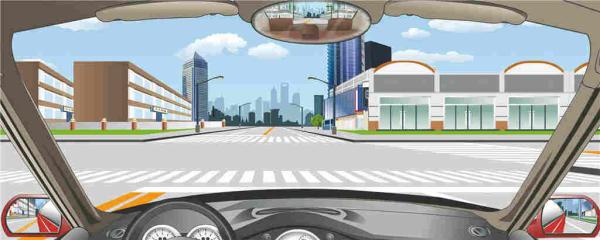
A. Slow down and pass
B. Speed up and pass
C. Sound the horn and pass
D. Stop immediately
Answer: A
4. What is the meaning of this sign?
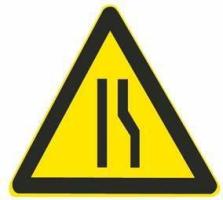
A. Road narrows on both sides
B. Road narrows on the right side
C. Road narrows on the left side
D. Bridge narrows
Answer: B
5. Drivers should wear shoes or boots, which have heels and not skid soles, to ensure the acute, accurate, and reliable gear-shifting by feet.
A. Right
B. Wrong
Answer: A
6. When discovering animals crossing the expressway on the highway, the driver should not drastically turn to evade.
A. Right
B. Wrong
Answer: A
7. When driving a motor vehicle ready to enter a congested roundabout, the wrong measure is to ______.
A. Honk to indicate another vehicle to yield
B. Stop to yield
C. Driving into the congested intersection
D. Drive fast into the intersection
Answer: ACD
8. When driving into the traffic flow on a main road from a relief road, drivers should speed up.
A. Right
B. Wrong
Answer: B
9. Where can not park?
A. Parking lot
B. Parking spaces on roads
C. Landslide and debris flow in Mountainous Areas
D. Crosswalk
Answer: CD
10. When a motor vehicle temporarily stops in fog, which lamp should be turned on?
A. Hazard lamp, clearance lamp and rear position lamp
B. Left-turn indicator, clearance lamp and rear position amp
C. Headlamp, clearance lamp and rear position lamp
D. Reverse lamp, clearance lamp and rear position lamp
Answer: A
11. When a rear tire of a motorcycle blows out, the driver should ________.
A. Swiftly turn the steering handlebar to adjust
B. Firmly hold the steering handlebar with both hands
C. Swiftly turn the steering handlebar to the opposite direction
D. Swiftly take braking measures
Answer: B
12. Under such circumstance at an intersection. motor vehicle drivers should be prepared to stop and yieldat any time.

A. Right
B. Wrong
Answer: A
13. When a tire bursts suddenly on the road, the driver should refrain from violently depressing the brake pedal in panic. Instead, he/she should try his/her best to change to a low gear and use engine braking to reduce the speed of the vehicle.
A. Right
B. Wrong
Answer: A
14. Motor vehicle drivers may make a U-turn in this area as long as it will not affect the passing of pedestrians.
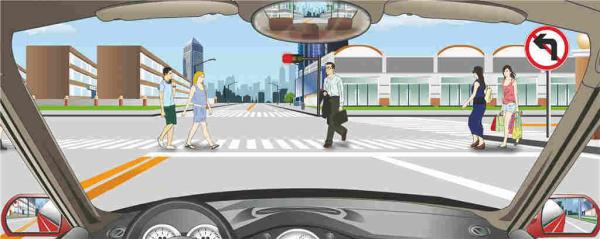
A. Right
B. Wrong
Answer: B
15. What should motor vehicle drivers do when approaching an oncoming vehicle on a frozen road?
A. Cut speed as approaching each other
B. Pass each other by speeding up properly
C. Pass each other slowly by cutting speed in advance
D. Pass each other along the central line to the best
Answer: C
16. Whats the meaning of the double white solid lines in far front of the intersection?
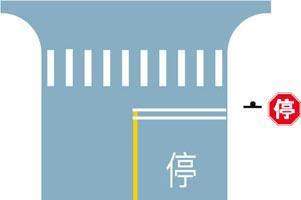
A. Stopping and yield line
B. Slowdown and yield line
C. Left-turn waiting line
D. Waiting to run line
Answer: A
17. What is the meaning of this sign?
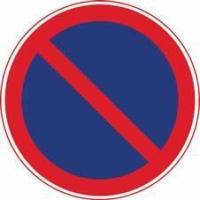
A. No stopping temporarily
B. No long stopping
C. No stopping
D. Long stopping is allowed
Answer: B
18. What is the meaning of this sign?
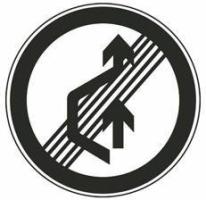
A. Overtaking ban is lifted
B. Changing lane is allowed
C. Changing lane ban is lifted
D. Borrowing lane ban is lifted
Answer: A
19. When a motor vehicle stops in snow, which lamp should be turned on?
A. Front and rear fog lamps, clearance lamp and rear position lamp
B. Reverse lamp, clearance lamp and rear position lamp
C. Headlamp, clearance lamp and rear position lamp
D. Hazard lamps, clearance lamp and rear position lamp
Answer: D
20. Gun powder, explosives and detonating powder belong to which of the following dangerous chemicals?
A. Oxidizing materials
B. Inflammable solid materials
C. Explosives
D. Self-igniting articles
Answer: C