

1. Which is the wrong measure to avoid tire burst?
A. Reduce tire pressure
B. Check tires regularly
C. Remove foreign matters from the tire tread grooves timely
D. Replace tires that have cracks or deep cuts
Answer: A
2. When running in a high speed, if only use the front brake, the driver can be easily thrown out due to the inertia.
A. Right
B. Wrong
Answer: A
3. What is the meaning of this sign?
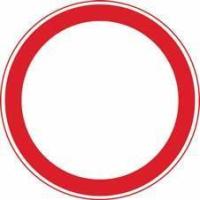
A. No passing
B. Driving at reduced speed
C. Time limit for entering
D. No entering
Answer: A
4. You can make an U turn at this intersection.
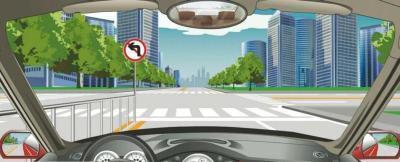
A. Right
B. Wrong
Answer: B
5. When driving in thick or extremely thick fog, what should the driver do due to the low visibility in such weather?
A. Turn on the headlamp and drive slowly
B. Turn on the fog lamp and drive slowl
C. Park in a safe place
D. Drive slowly close to the roadside
Answer: C
6. Driving a motor vehicle in the downhill section of a mountain road avoids overtaking as much as possible because _______.
A. Vehicle resistance in downhill section is very high
B. Vehicles on downhill sections are more difficult to control than on flat roads due to gravity.
C. In downhill section, the front speed is faster and it is difficult to overtake.
D. Vehicles on downhill sections tend to be too fast due to gravity
Answer: BD
7. Where should we choose to park?
A. Parking spaces on roads
B. Construction section
C. Crosswalk
D. Parking lot
Answer: AD
8. What are the main reason for not applying emergency braking when driving on rainy days?
A. Increase fuel consumption
B. Reduce fuel consumption
C. The tires can easily spin
D. Easy to cause rear-end collision
Answer: CD
9. When encountering children on the road, the driver should _________.
A. Reduce speed and go slowly, or stop to yield when necessary
B. Continuously honk to urge
C. Swiftly bypass from one side
D. Speed up and bypass
Answer: A
10. Whats the meaning of the white horizontal solid line in the circle?

A. Turning waiting line
B. Deceleration line
C. Yielding line
D. Stop line
Answer: D
11. Which will affect the stopping distance?
A. Pavement conditions
B. Driver’s reaction time
C. The quantity of cargo and the structure of brake, etc.
D. The vehicle speed
Answer: ABCD
12. Motor vehicle drivers don’t need to use any lamp at night when passing through a road section where the street light condition is good.
A. Right
B. Wrong
Answer: B
13. When using emergency brake, be aware of keeping the body of the motorcycle being perpendicular to the ground to avoid sideslip.
A. Right
B. Wrong
Answer: A
14. What should the driver do when the motor vehicle counters this situation?
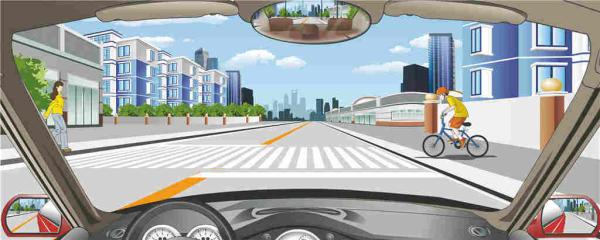
A. Sound the horn continuously to warn
B. Speed up and bypass from the front
C. Slow down when encountering any risks
D. Slow down voluntarily and yield
Answer: D
15. What is the meaning of this sign?
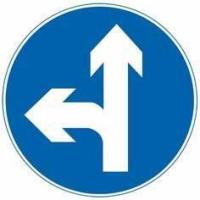
A. Going straight and right turn
B. Going straight and left turn
C. No going straight and no left turn
D. Right turn and left turn only
Answer: B
16. When driving in icy and snowy weather, ________.
A. The tires can easily spin
B. The braking distance becomes longer
C. The tires can easily drift
D. Vehicle handling becomes more difficult
Answer: ABCD
17. It is illegal to change lanes without turning on indicators.
A. Right
B. Wrong
Answer: A
18. When a motor vehicle stops in snow, which lamp should be turned on?
A. Front and rear fog lamps, clearance lamp and rear position lamp
B. Reverse lamp, clearance lamp and rear position lamp
C. Headlamp, clearance lamp and rear position lamp
D. Hazard lamps, clearance lamp and rear position lamp
Answer: D
19. When driving a motor vehicle following anther vehicle, What should the driver pay attention to?
A. When following a taxi, it is necessary to prevent it from pulling over at any time to get on and off passengers.
B. For large trucks loaded with goods, we should increase the distance between cars and avoid long time follow ups to prevent the risk of cargo spilling and blind areas.
C. When the current side of the vehicle has an internship sign, it should increase the distance with the vehicle to prevent the front vehicle emergency braking.
D. Follow a vehicle in foggy weather, pay attention to the emergency braking of the front vehicle
Answer: ABCD
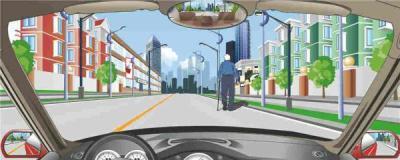
20. When encountering such pedestrians, motor vehicle drivers may continuously sound the horn to alert them to yield.
A. Right
B. Wrong
Answer: B