

1. What is the meaning of this sign?
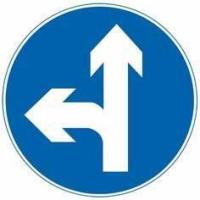
A. Going straight and right turn
B. Going straight and left turn
C. No going straight and no left turn
D. Right turn and left turn only
Answer: B
2. A correct measure to avoid tire burst of motor vehicles is to lower the tire pressure.
A. Right
B. Wrong
Answer: B
3. Matches, sulfur and red phosphorus are _________.
A. Explosives
B. Inflammable solid materials
C. Self-igniting articles
D. Oxidizing materials
Answer: B
4. Whats the meaning of this sign?
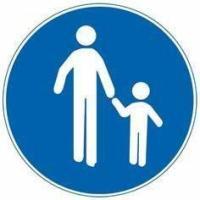
A. Pass with low speed
B. Watch for pedestrians
C. On foot
D. Pedestrians go first
Answer: C
5. What is the meaning of this sign?
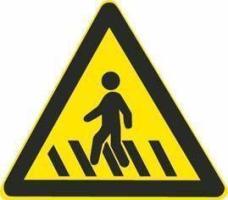
A. Speed up when the driver can not see the pedestrians
B. Speed up
C. There is a crosswalk ahead.
D. Keep driving at the same speed when you can not see the pedestrians
Answer: C
6. When the engine suddenly stalls on the road, what should the driver do?
A. Stop the vehicle and overhaul it immediately
B. Immediately turn on the hazard lamps
C. Move the vehicle to a place where it will not obstruct the traffic flow
D. Set up a breakdown warning sign
Answer: BCD
7. When a motorcycle turns at an excessively high speed, it can easily dash out of a curve or skid sideways.
A. Right
B. Wrong
Answer: A
8. What is the meaning of this sign?
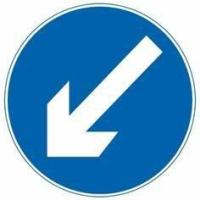
A. Stop by the left side of the road
B. Downhill section left
C. Left turn only
D. Run by the left side of the road
Answer: D
9. It is unsafe to ride a motorcycle by high-heel shoes.
A. Right
B. Wrong
Answer: A
10. For a temporary stop on a foggy day, the driver should only turn on the fog lamp and the low-beam
A. Right
B. Wrong
Answer: B
11. Which is correct when riding a motorcycle
A. Both hands can temporarily leave the steering handle bar
B. Voluntarily operate the steering handle bar
C. It is prohibited to simultaneously move two hands from the steering handle bar
D. It is able to statically turn the steering handle bar
Answer: C
12. What are the main reasons why driving a motor vehicle should not overtake on rainy days?
A. It is not easy for drivers around to see the overtaking signal.
B. Can not accurately judge the distance of vehicles around
C. Road is wet and slippery, and vehicles are prone to sideslip
D. The driver can not detect dangerous in time
Answer: ABCD
13. What is the meaning of this sign?
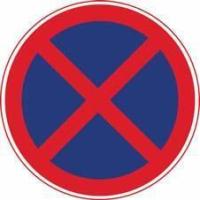
A. Stopping temporarily is allowed
B. Long stopping is allowed
C. No long stopping
D. No stopping
Answer: D
14. What should the driver do when the motor vehicle encounters this situation in front of a school?
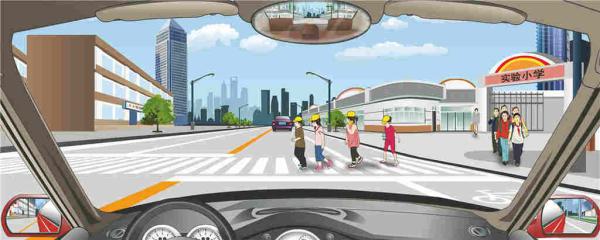
A. Bypass before the queue
B. Slow down and pass slowl
C. Stop promptly and yield
D. Go through in the spaces between the queues
Answer: C
15. During normal driving, the driver should do his/her best to run close to or on the central line so as not to allow oncoming vehicles any opportunity to occupy his own route.
A. Right
B. Wrong
Answer: B
16. How to follow a motor vehicle safely on the road?
A. Observe the front vehicle conditions
B. Drive on the left side of the road as far as possible
C. Be ready to slow down at any time
D. Keep a safe distance
Answer: ACD
17. When encountering this situation in a residential area, the driver may honk to urge them to yield.

A. Right
B. Wrong
Answer: B
18. What is the meaning of this sign?
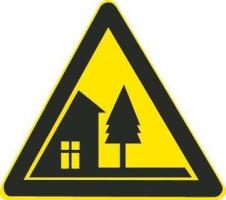
A. Watch for pedestrians
B. Crosswalk
C. Village or town
D. Primary school
Answer: C
19. When using splints, sticks or tree branches to keep the unexposed bones in position, it is necessary that these things should exceed the upper and lower joints of the wound.
A. Right
B. Wrong
Answer: A
20. When following a vehicle on the road, the distance from the vehicle in front is not important. As long as the driver goes forward at the same speed as the vehicle in front does, he/she can avoid a rear-end collision.
A. Right
B. Wrong
Answer: B