

1、When driving in thick or extremely thick fog, what should the driver do due to the low visibility in such weather?
A、Turn on the headlamp and drive slowly
B、Turn on the fog lamp and drive slowl
C、Park in a safe place
D、Drive slowly close to the roadside
Answer:C
2、Motor vehicle drivers should use the windscreen wiper when setting off on a rainy day
A、Right
B、Wrong
Answer:A
3、What should the driver do on this kind of curving mountain road?
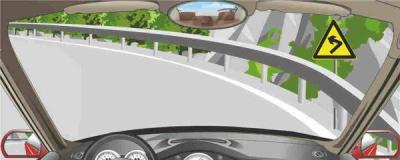
A、Borrow the opposite lane
B、Slow down and drive on the right
C、Stick to the central line of the road
D、Drive close to the right side
Answer:B
4、When approaching another vehicle at night, why should the driver alternate between high-and-low-beam at a distance more than 150 meters?
A、Warn each other before passing
B、Driving habit
C、Easy to observe the situation ahead from either side
D、Courtesy
Answer:C
5、After setting off from a roadside, motor vehicle drivers should watch both sides of the road, turn left and drive into the normal lane slowly.
A、Right
B、Wrong
Answer:A
6、When driving on an expressway, which of the following statements is correct?
A、Drives are not allowed to drive by riding or rolling on the lane dividing line
B、Drivers are prohibited from driving on road olders
C、Drivers may overtake on the ramp, the acceleration lane or the deceleration lane
D、Drivers are prohibited from learning to drive
Answer:C
7、When driving on an expressway, where should the driver park?
A、The service area
B、The acceleration lane
C、The deceleration lane
D、On the ramp
Answer:A
8、When such circumstances happen suddenly, what should the driver do?
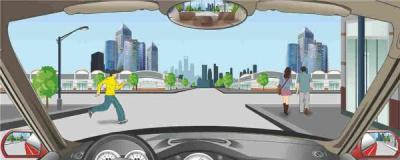
A、Reduce speed or stop to yield
B、Bypass in front of the pedestrians
C、Continuously sound the horn to alert the pedestrians
D、Bypass from behind the pedestrians
Answer:A
9、When a vehicle encounters a strong side wind, the driver should firmly hold the steering wheel and press the brake urgently if he feels the vehicle deviates horizontally from the normal direction.
A、Right
B、Wrong
Answer:B
10、The sign on the right indicates a left-turn bypass route at the intersection ahead.
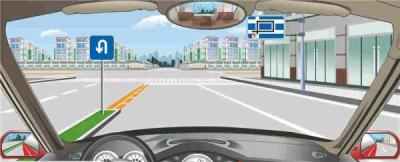
A、Right
B、Wrong
Answer:A
11、After a motor vehicle falls into water, the driver won't be able to open the side doors or windows to escape until water nearly fills up the compartment.
A、Right
B、Wrong
Answer:A
12、Under such circumstances, what should be done bY motor vehicle drivers in order to yield to the pedestrians politely?
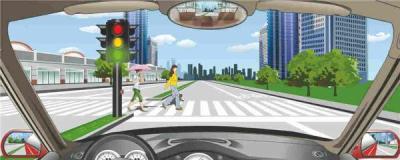
A、Set off after pedestrians pass
B、Set off and bypass in front of the pedestrians
C、Sound the horn to warn the pedestrians to yield
D、Set off and approach the pedestrians slowly
Answer:A
13、When extinguishing a fire, the driver should refrain from breathing through mouth or crying loudly Otherwise, the fire and smoke will scorch the upper respiratory tract.
A、Right
B、Wrong
Answer:A
14、The guide arrow on the road surface of this lane indicates that drivers are only permitted to continue straight at the intersection ahead.
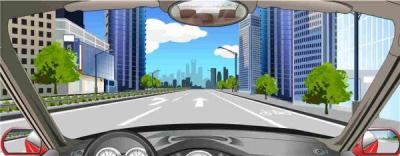
A、Right
B、Wrong
Answer:A
15、When a motor vehicle moves through water, the driver should try to maintain a constant speed and sufficient power and pass through without stopping.
A、Right
B、Wrong
Answer:A
16、The sign in front indicates an indoor parking ground 100 meters ahead.
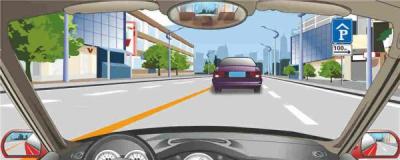
A、Right
B、Wrong
Answer:A
17、When a motor vehicle catches fire, the driver should te to park the vehicle in an open place far away from urban areas, buildings, trees, other motor vehicles and flammable materials.
A、Right
B、Wrong
Answer:A
18、This sign warns that the section ahead is under traffic monitoring.
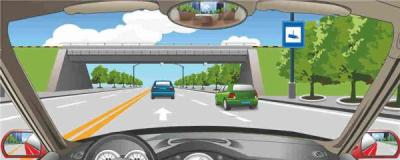
A、Right
B、Wrong
Answer:A
19、The area in the yellow rectangle markings on the right side of the road indicates that temporary stopping is permitted here.
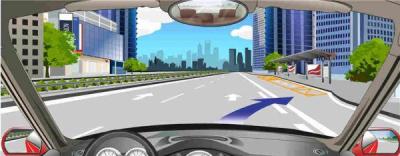
A、Right
B、Wrong
Answer:B
20、Having driven his vehicle at 110km/hour on an urban road, Mr. Lin is trying to leave the scene after a rear-end collision but is held back by bystanders. The alcohol concentration in his blood, tested in an alcohol test by the traffic police, is 135.8mg per hundred milliliters. Which of the following law-breaking acts did Mr. Lin commit?
A、Drunk driving
B、Speeding
C、Fatigued driving
D、Hit-and-run driving
Answer:ABD