

1、After entering the acceleration lane of an expressway, the driver should increase the speed to how many kilometers per hour?
A、More than 30 km/hour
B、More than 40 km/hour
C、More than 50 km/hour
D、More than 60 km/hour
Answer:D
2、Motor vehicles are prohibited from stopping on the ramp of an expressway.
A、Right
B、Wrong
Answer:A
3、Which of the following is a bad habit when changing lanes?
A、Turning on the indicator in advance
B、Observing closely before changing a lane
C、Change lanes at will
D、Not obstructing the passing of other normally moving vehicles
Answer:C
4、After a traffic accident, what is the most effective measure to prevent secondary accidents?
A、Evacuate all passengers
B、Turn on the hazard lamps
C、Mark the original place of the injured persons
D、Properly place the danger warning sign
Answer:ABD
5、What should the driver do when he/she encounters an oncoming ambulance in the same lane?
A、Keep to the side and reduce speed or stop to yield
B、Drive ahead by occupying another lane
C、Yield by speeding up and changing lanes
D、Drive ahead in the original lane
Answer:A
6、Under such circumstances, what should the motor venicle driver do?
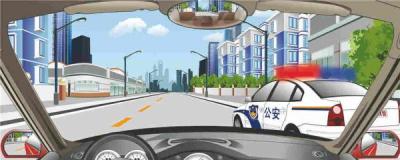
A、Reduce speed and yield by the left side
B、Reduce speed and yield by the right side
C、Speed up and yield by the left side
D、Go ahead along the original route
Answer:A
7、The sign on the right indicates that vehicles from the primary road have priority.

A、Right
B、Wrong
Answer:A
8、What should the driver do upon finding that one ofthe right tires is leaking while driving?
A、Brake swiftly to slow down
B、Brake slowly to slow down
C、Turn to the left side swiftly
D、Apply emergency braking
Answer:B
9、If a motor vehicle experiences a "water sliding" phenomenon when running on an expressway in rain, what should the driver do?
A、Slow down by suddenly depressing the brake pedal
B、Slow down by slowly releasing the accelerator pedal
C、Turn the steering wheel immediately to adjust the direction
D、Speed up to increase the displacement of the wheels
Answer:B
10、In this situation, motor vehicles are permitted to stop temporarily at bus stations.
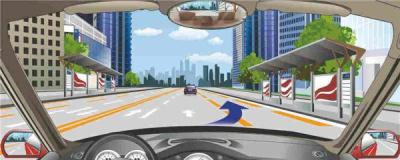
A、Right
B、Wrong
Answer:B
11、Under such circumstances, motor vehicle drivers lould follow the vehicle in front and drive into the Intersection to wait.
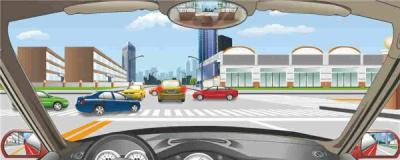
A、Right
B、Wrong
Answer:B
12、After a tire bursts and before the driver can control the speed of the vehicle, he/she should not risk using the foot brake to stop the vehicle. Otherwise, a horizontal swing of the vehicle can cause greater danger.
A、Right
B、Wrong
Answer:A
13、The sign in front indicates an open-air parking lot with rest area is 200 meters ahead.

A、Right
B、Wrong
Answer:A
14、After a motor vehicle falls into water, the driver won't be able to open the side doors or windows to escape until water nearly fills up the compartment.
A、Right
B、Wrong
Answer:A
15、Motor vehicles are permitted to move to the right lane at this intersection.
A、Right
B、Wrong
Answer:B
16、When a motor vehicle passes over an inundated road, what should the driver do for safe driving?
A、Slow down and drive with special care
B、Speed up and pass rapidly
C、Maintain a normal speed and pass through
D、Change to a low gear and speed up to pass
Answer:A
17、The sign on the right indicates left turn only at the intersection ahead.
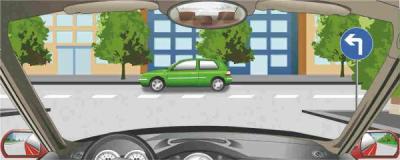
A、Right
B、Wrong
Answer:A
18、When there is a braking failure on a downhill road the driver should change the gear to one position or two positions lower, and control the speed by taking advantage of the braking role of the engine.
A、Right
B、Wrong
Answer:A
19、The sign on the right indicates that the vehicle should yield to the oncoming traffic as approaching each other.

A、Right
B、Wrong
Answer:B
20、What should drivers keep in mind when driving on amountainous road?
A、Keep a safe distance
B、Avoid occupancy of another lane when making a turn
C、Downshift in advance when ascending an abrupt slope
D、Taking full advantage of engine braking when descending a long slope
Answer:ABCD