

1、What marking is the white polylines in the circle?
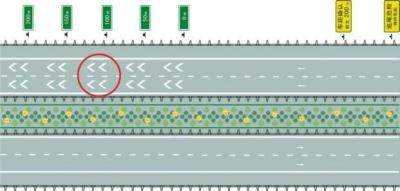
A、ascertaining the distance between the vehicles
B、driving at reduced speed
C、ascertaining the speed of the vehicles
D、reducing the speed at the intersection
Answer:A
2、Whats the role of the prohibitive sign?
A、indicate the vehicles to go ahead
B、warn danger ahead
C、prohibit or restrict from doing
D、tell the direction information
Answer:C
3、In which situation that a driver cannot drive?
A、after drinking coffee
B、after drinking milk
C、after drinking
D、after drinking tea
Answer:C
4、Whats the meaning of this sign?
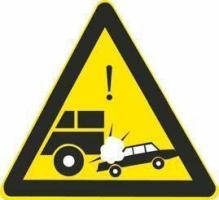
A、accident-prone section
B、construction section
C、reducing speed and going slowly section
D、jammed section
Answer:A
5、In which situation the traffic police can detain the vehicle according to law?
A、exceeding 10% of the prescribed speed limits
B、driving when he is exhausted
C、not buckled up while driving
D、driving after drinking
Answer:D
6、If a motorized vehicle runs 50% faster than the specified speed limit, the driver is subject to a 3-point penalty.
A、Right
B、Wrong
Answer:B
7、Whats the meaning of this sign?
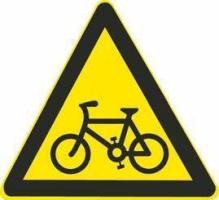
A、the lane for non-motorized vehicles
B、yield non-motorized vehicles
C、no passing for non-motorized vehicles
D、watch for non-motorized vehicles
Answer:D
8、When driving in windy, rainy, snowy, foggy and other complex weather conditions, the driver should turn on the head light, honk continuously and overtake rapidly if the vehicle in front goes slowly.
A、Right
B、Wrong
Answer:B
9、How to do if there is a traffic jam in intersection?
A、borrow the opposite lane to pass
B、stop and wait outside the intersection
C、cut in the front vehicles to pass
D、enter the intersection and wait
Answer:B
10、When a vehicle approaches a bus stopping at a bus stop, the driver should ______ in case the bus starts up suddenly or pedestrians cross in front of the bus.
A、Reduce speed, keep a sufficient distance and be ready to stop anytime
B、Maintain the normal speed
C、Honk to remind, speed up and pass
D、Be ready to apply emergency braking
Answer:A
11、When the driver senses a tire blowout on the road, he should control the direction of the vehicle, gently depress the brake pedal to slowly reduce the speed and gradually park the vehicle steadily on the roadside.
A、Right
B、Wrong
Answer:A
12、The main impact of rainy weather on safe driving is _______.
A、The road is wet and slippery and the visibility is poor
B、The engine is prone to stop
C、The resistance to the vehicle increases
D、The electric equipment is prone to getting wet and causing short circuit
Answer:A
13、A motorized vehicle is not allowed to make a U turn at the level crossing, bridge, steep slope, tunnel or dangerous road section.
A、Right
B、Wrong
Answer:A
14、When changing lanes on an expressway, the driver should turn on the turn signal in advance, observe the traffic conditions, and slowly turn the steering wheel and enter the new lane after making sure it is safe to do so.
A、Right
B、Wrong
Answer:A
15、It is a bad habit for a driver to put his left arm on the window of the vehicle or hold the gear lever in his right hand for a long time.
A、Right
B、Wrong
Answer:A
16、The validity of the driving license which is initially applied for is ______
A、3 years
B、5 years
C、6 years
D、12 years
Answer:C
17、What markings are the two double yellow broken lines on the road?
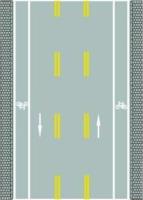
A、two-way lanes dividing line
B、variable lane line
C、lane-dividing line that can be crossed
D、one-way lanes dividing line
Answer:B
18、If the driver finds there is no vehicle following, he can change lanes without turning on the turn signal.
A、Right
B、Wrong
Answer:B
19、When encountering stopping in turn or slow-moving vehicles in front at an intersection where lanes are reduced, the motorized vehicle should _________.
A、enter the intersection from road shoulder by the right side of the vehicle in front
B、enter the intersection from the side of interspace
C、pass alternately with one vehicle each lane to enter the intersection
D、change to left lane and cut in to enter the intersection
Answer:C
20、The vehicle can not run straight or turn left in this situation.
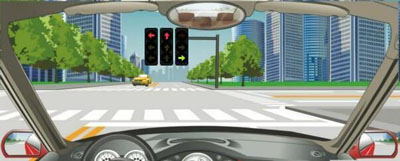
A、Right
B、Wrong
Answer:A